Material recovery
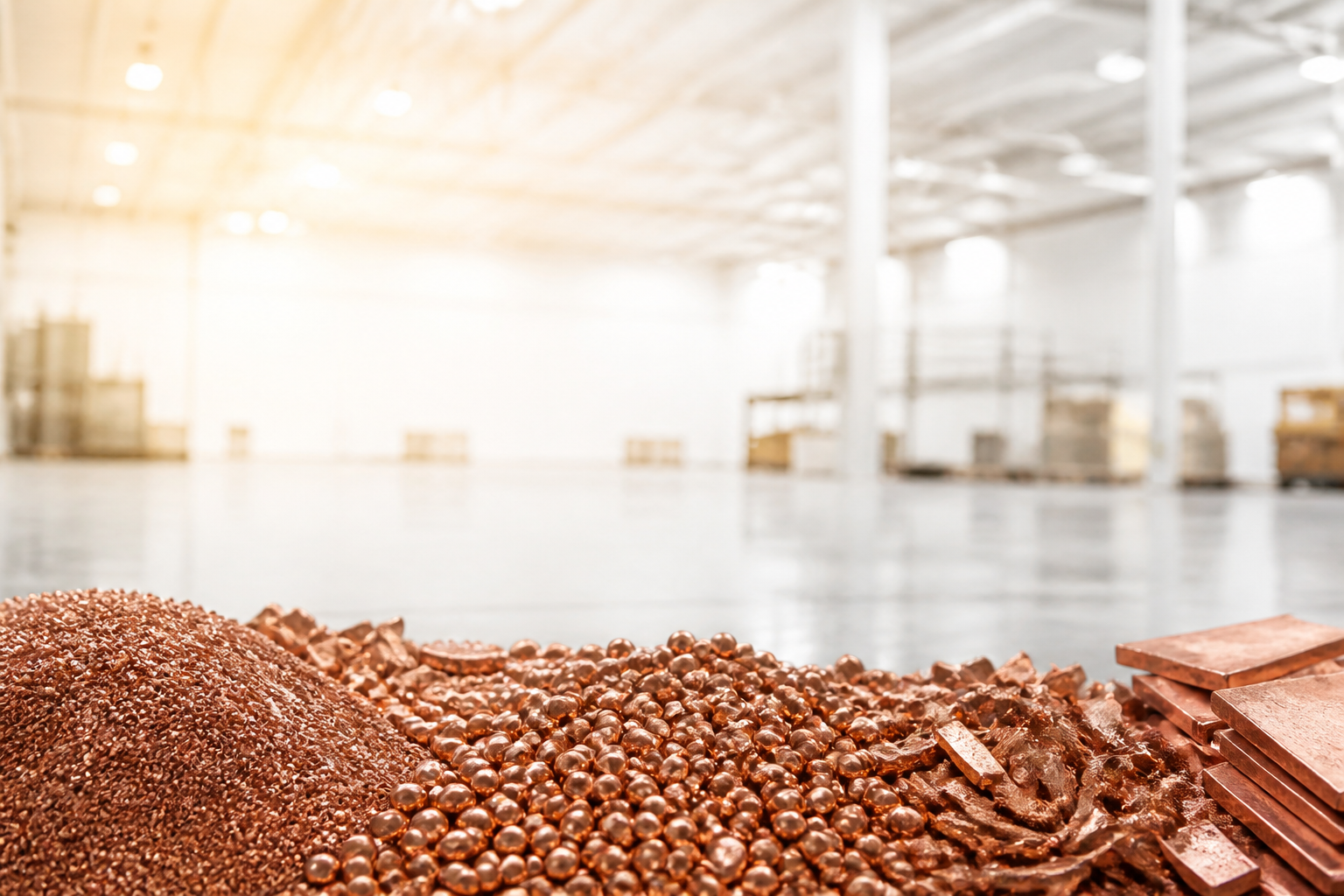
Valuable non-ferrous metals are separated and returned to productive industrial use.
 Request a quote
 Metalekspo recovers non-ferrous materials and supplies documented secondary raw materials to manufacturers and recycling facilities across Europe and Asia.
Metalekspo collects, sorts, tests and processes non-ferrous metal scrap, producing secondary raw materials. Every material undergoes quality control before returning it to industrial production.
The goal is simple but important: recovering valuable materials, maintaining traceability and supplying manufacturers with consistent recycled feedstock.
Environmental declarations are linked to material recovery, documentation and applicable regulatory requirements.
Valuable non-ferrous metals are separated and returned to productive industrial use.
Sorting and processing improves recovery and reduces avoidable material loss.
Internal references link suppliers, materials, processing and shipment records.
Clearly defined processes turn incoming scrap into documented secondary raw material.
Information about the material, its origin and available documentation is reviewed at point of receipt.
Material is separated by type and checked for condition, grade and contamination.
The processed material is linked to quality, processing and batch records.
Secondary raw materials are supplied to recycling facilities and industrial manufacturers.
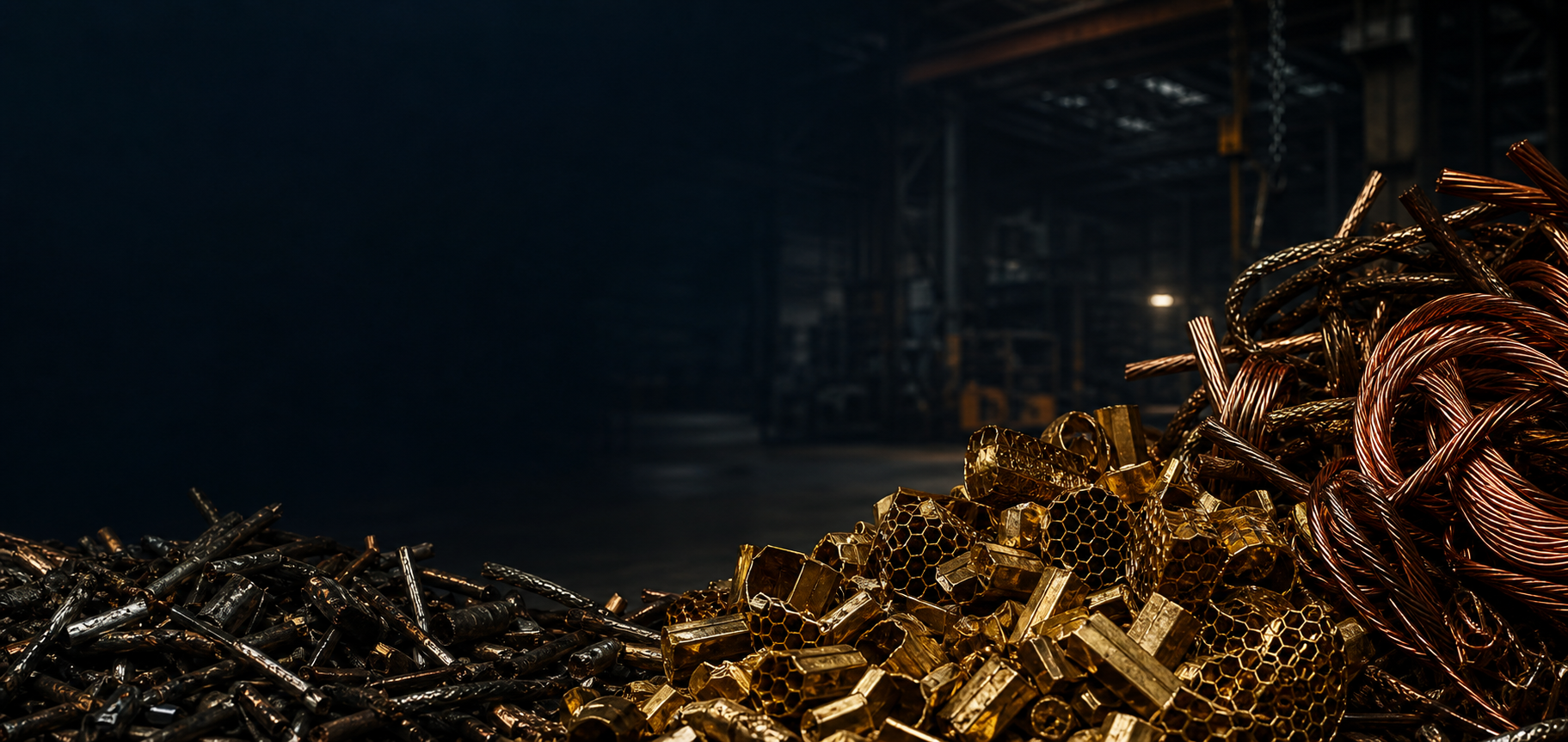
Metalekspo has invested in a modern brass separation line in order to improve material purity, increase recycling efficiency and provide more consistent secondary raw materials.
The facility processes approximately 2,000 tonnes of recyclable non-ferrous metals per month. Annual capacity will be published after the relevant company and production-line figures are confirmed.
The availability of documentation depends on the material, shipment and destination.
Material and processing records remain connected throughout the workflow.
Technical and composition information is available for relevant products.
The selected material requirements can be confirmed by approved laboratory reports.
International material deliveries are confirmed by commercial and transport records.
Applicable materials can be supplied with relevant End-of-Waste documentation.
The official project-funding visual logo for the investment in brass separation technology.

Cables are shredded and fed along a vibrating trough to the next processing stage.

A belt conveyor carries the shredded material beneath an overband magnetic separator, which removes the iron-containing (ferromagnetic) fraction from the stream.

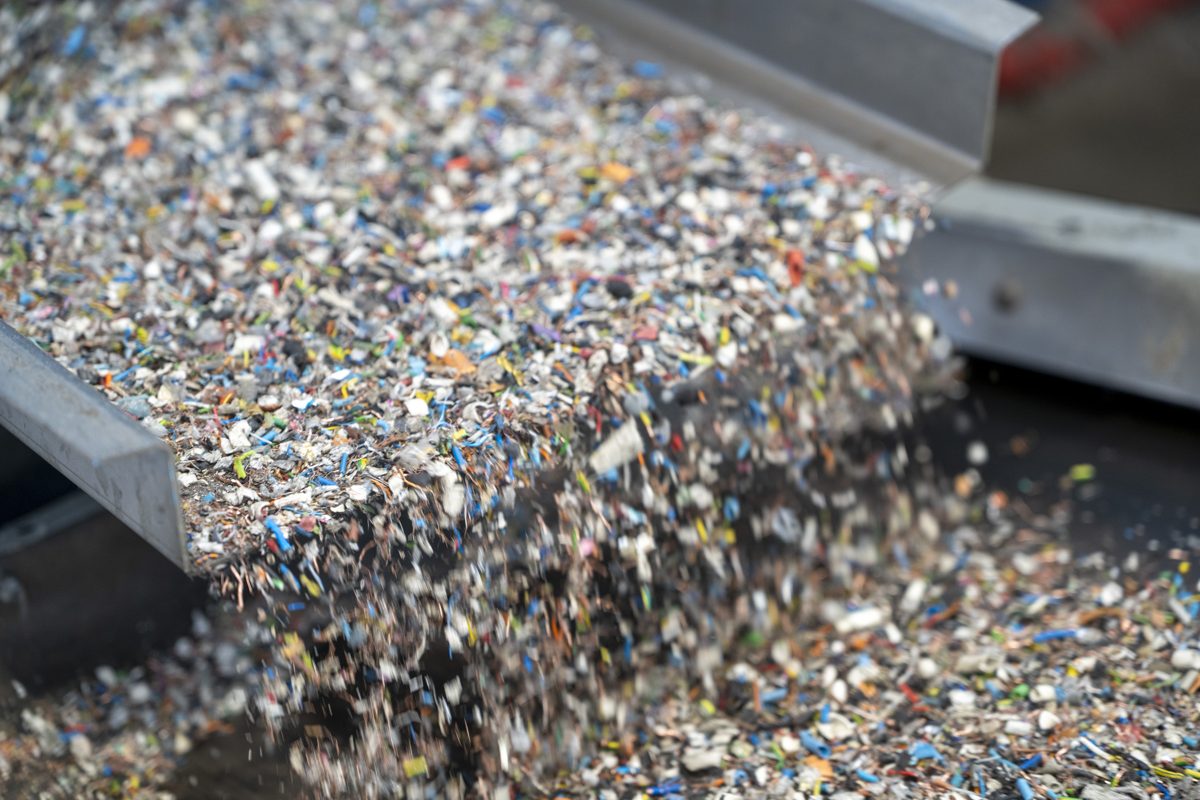
Once the iron has been removed, the material travels by conveyor to the granulator. It is reduced to smaller particles so that the copper separates fully from its insulation.

After separation from the insulation, clean copper granules are ready for further recycling and melting.

The shredded plastic insulation remaining after copper separation is collected separately and sent for further recycling.
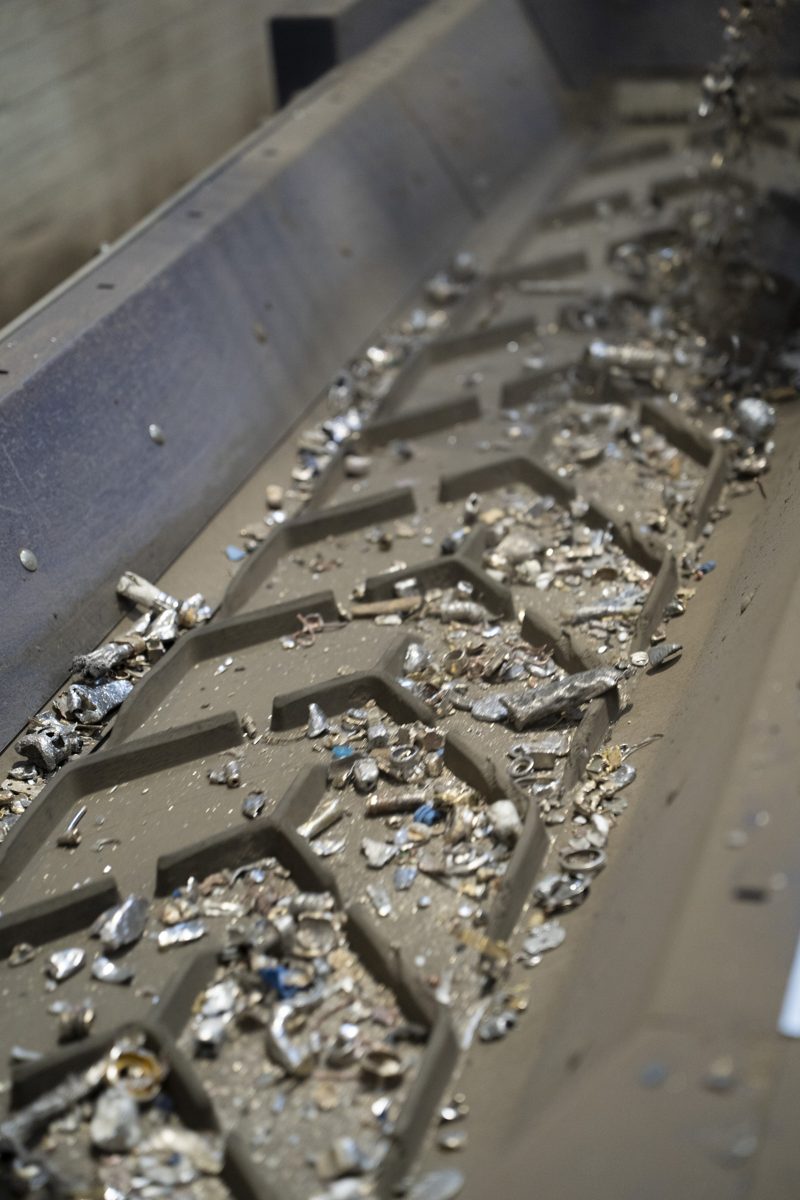
The shredded material, with pieces no larger than 120 mm, travels by conveyor to the next sorting stage. The brass has been released from the other materials but has not yet been sorted.
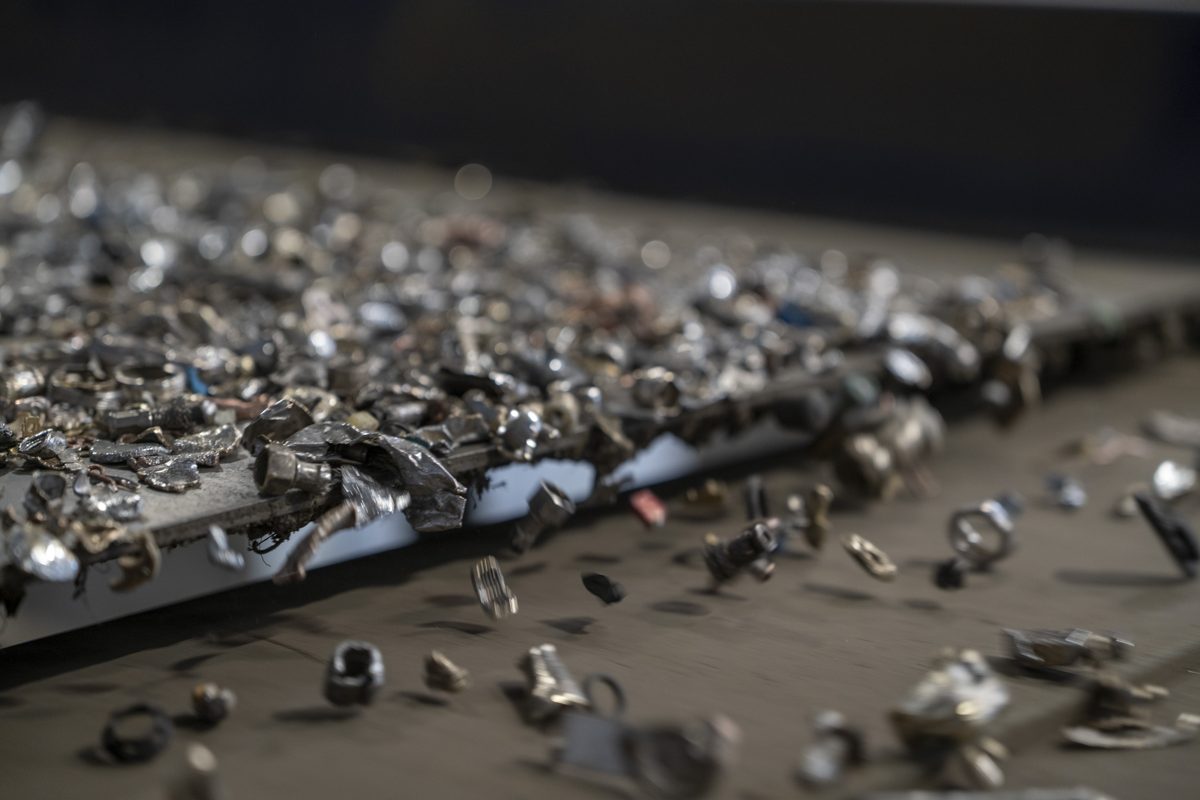
The conveyor feeds material to a rapidly rotating magnetic rotor at the end of the belt. The rotor induces eddy currents in non-ferrous metals such as brass, copper and aluminium. Their magnetic fields repel the metal pieces, propelling them further from the belt. Non-metallic materials such as plastic, rubber and ceramics fall directly below, separating metals from non-metals.
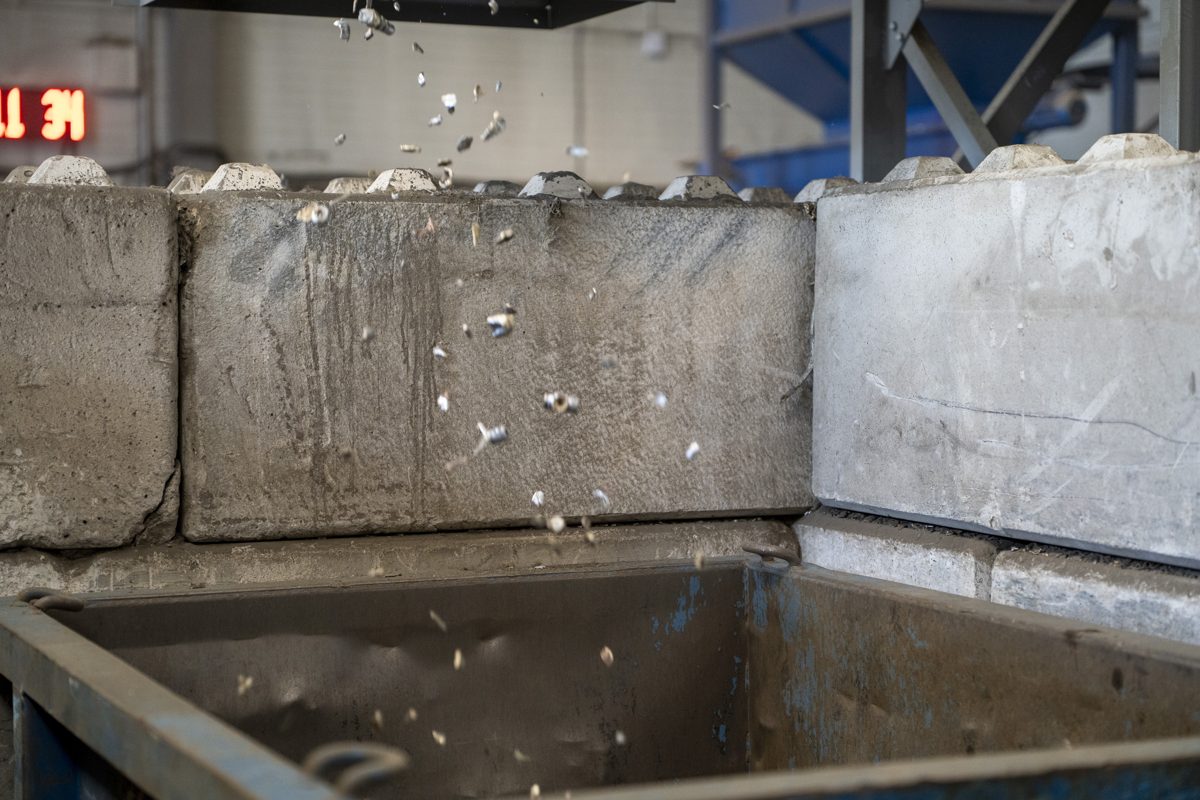
The XRF-T sorter combines two X-ray technologies. X-ray fluorescence (XRF) identifies the chemical composition of each metal piece, while X-ray transmission (T) determines its density. Precise air jets separate the brass pieces, producing clean, shredded brass ready for sale.
Discuss material requirements, quality documentation, volumes and delivery planning with the sales team.
Discuss recycled material supply